



Poor thermal insulation is far more than a technical flaw; it is an active drain on retail profitability, particularly in the demanding climate of Florida. For facility owners and directors, the challenge lies in identifying costs that are embedded deep within the operating structure. Often, structural thermal deficiency is mistakenly overlooked in favor of visible maintenance issues. This perpetual capital drain resides precisely in the gaps and weak points of your building’s envelope.
At Dynamiq, we advocate for a paradigm shift: insulation is not just a construction material; it is the first line of defense in your comprehensive energy efficiency strategy. We understand that thermal insulation is the bedrock of low operational costs. Poor insulation generates constant, cumulative overruns that far exceed initial installation savings. We believe thermal insulation must be viewed as a critical engineering asset.
Next, we detail five critical hidden costs that demand immediate executive attention. Eliminate these fundamental problems from your operation today to safeguard your bottom line.
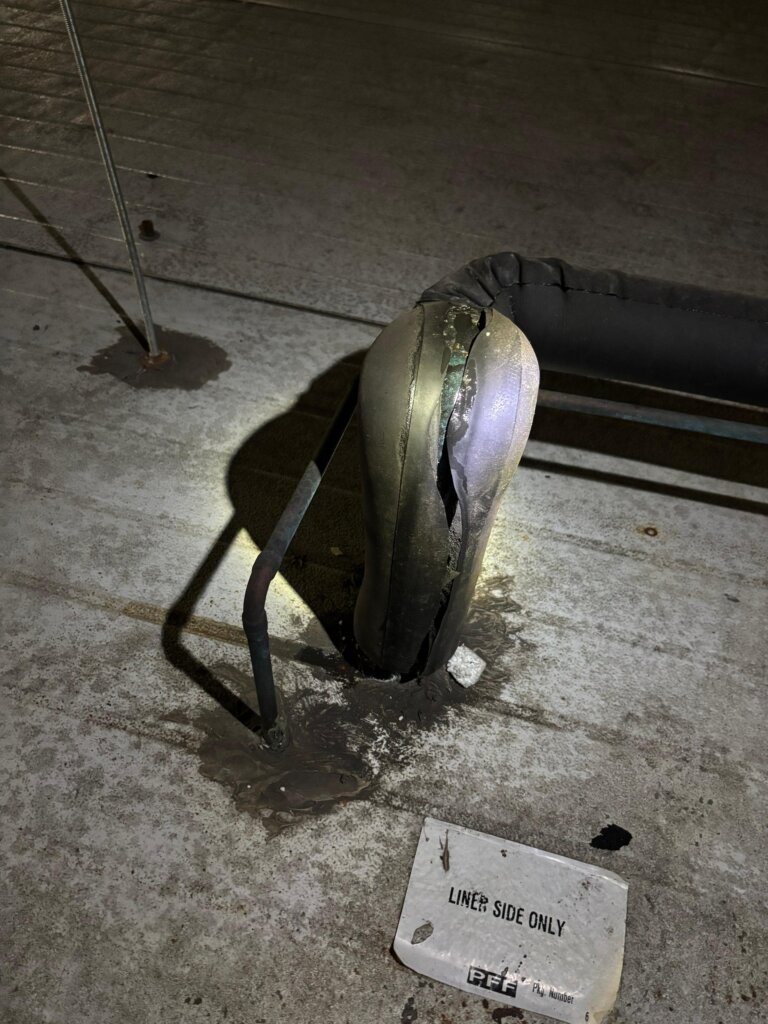
1. Excessive and Constant Energy Drain
This is, paradoxically, the most evident yet most underestimated cost in the operational budget. Poor thermal insulation facilitates relentless heat transfer, forcing your systems into a continuous, uphill battle against the exterior environment. This forces HVAC and refrigeration systems to work non-stop, consuming vast amounts of power just to maintain the required temperatures.
- Direct Financial Impact: Your electrical consumption dramatically soars. The refrigeration system never achieves thermal stability; it is constantly struggling against a high, unrelenting thermal load. This struggle generates very long, costly work cycles for compressors. The resulting waste of energy is directly, and undeniably, reflected in your utility bill every single month.
- The Dynamiq Solution: Engineered Efficiency: Our energy management strategy begins with a precise assessment of the actual structural thermal load. By optimizing thermal insulation, we significantly reduce the system’s base energy demand. This engineering approach allows the HVAC to work only when necessary, entering critical rest periods essential for its health. This results in verifiable, constant savings on your balance sheet, turning insulation into an active profit protector.
2. The Triple Threat of Structural Humidity and Corrosion
The severe humidity of the Florida environment compounds the issue of deficient thermal structures. Poor thermal insulation creates destructive «thermal bridges» across walls and ceilings, enabling heat transfer through structural weak points.
- Pervasive Internal Condensation: Hot, moisture-laden ambient air instantly cools upon contact with these poorly insulated interior surfaces. This rapid cooling precipitates widespread condensation. This moisture penetrates and filters into walls, ceilings, and internal cavities—areas notoriously difficult and expensive to access.
- Corrosion and Microbial Risk: Persistent condensation facilitates accelerated mold and mildew growth, which poses serious health and safety hazards, potentially impacting compliance. More critically, the moisture corrodes vital electrical wiring, control panels, and the underlying metal infrastructure. This Industrial Risk can cause immediate, expensive electrical failures or even necessitate premature structural replacement. Our approach recognizes that controlling temperature instability is the first step in managing structural humidity.
3. Losses Due to Shrinkage and Compromised Product Quality
The core promise of a supermarket is product freshness. This promise depends entirely on uncompromised temperature stability. Poor thermal insulation jeopardizes this fundamental requirement.
- Crippling Cold Instability: Deficient insulation results in continuous, subtle temperature fluctuations within sensitive environments like walk-in coolers and freezers. This thermal instability is highly detrimental; it accelerates the spoilage and decay of perishable goods, especially fresh produce, bakery items, and high-value dairy or meat.
- The True Hidden Cost: The percentage of merchandise designated as shrinkage increases sharply, impacting margins directly. Products must be discarded well before their intended shelf-life. Furthermore, when customers perceive lower quality or freshness due to temperature stress, it erodes trust, reduces sales volume, and negatively impacts long-term brand loyalty.
4. Premature Wear and Failure of Critical Assets
Capital assets like commercial refrigeration and HVAC systems are designed with an expected lifespan. Poor thermal insulation shortens this lifespan drastically, increasing the Total Cost of Ownership (TCO).
- Systemic Constant Overload: The compressors and fans—the most valuable components in any commercial cold system—are forced to operate under perpetual thermal stress. They are unable to enter necessary rest cycles required for internal cooling and recovery. This constant struggle directly leads to premature component burnout and failure.
- Accelerated Depreciation: The financial consequence is severe: the frequency of major repairs—often requiring expensive specialty technicians—increases dramatically. Entire HVAC units or refrigeration racks must be replaced years before their scheduled end-of-life. The initial capital investment in equipment depreciates at an unnecessarily and frustratingly accelerated rate, severely disrupting budgeting cycles.
5. Inefficiency in Project and Construction Management
Failing to prioritize an engineered approach to insulation during new construction or retrofitting is a significant managerial oversight. Ignoring thermal insulation in the construction phase costs exponentially more later.
- Prohibitive Post-Installation Corrections: If the thermal insulation is later found to be poor, any substantial investment in high-efficiency HVAC equipment will yield suboptimal results. Crucially, correcting structural insulation deficiencies after a store is operational is highly disruptive, often requiring temporary closures, and is prohibitively more expensive than installing it correctly the first time.
- The Dynamiq Guarantee: Integrated Stability: We tackle this managerial risk head-on. We guarantee total functionality and thermal stability because we are experts in both the construction and the energy management aspects. This unique approach means we ensure the first phase of the project—the insulation—is executed with superior technical precision. We eliminate the risk of post-opening failure, a core promise that separates us from standard general contractors.
Conclusion: The Smart Investment in Stability
Poor thermal insulation in supermarkets is not merely a construction issue; it is a critical engineering problem demanding a proactive energy management solution. For executives and owners, the choice is clear: the investment in high-quality insulation is not a trivial expense, but a strategic, defensive asset against predictable capital loss.
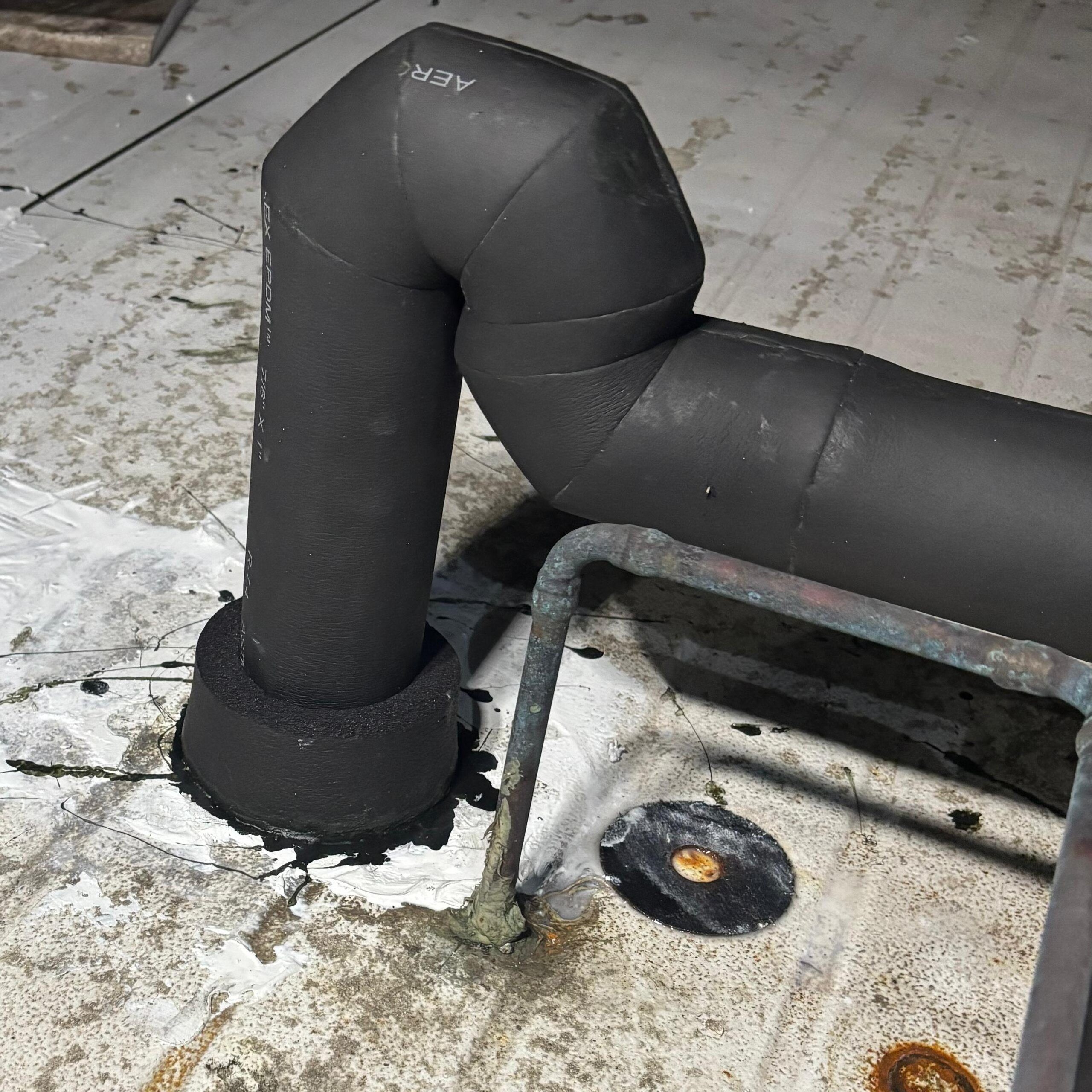
By partnering with Dynamiq, you gain a commitment to a design of stability. Protect your operating budget and balance sheet from these five hidden costs. Protect your investment and guarantee freshness.