



The refrigerated and frozen section is, without a doubt, the most critical area of any supermarket. These systems not only preserve the quality and safety of food but also account for a significant portion of energy consumption and operating costs. A failure in commercial refrigeration can trigger a catastrophic inventory loss and, worse, jeopardize customer health.
Understanding the most common supermarket refrigeration problems is the first step toward proactive management and efficient maintenance. Here are the main failures that threaten your systems.
1. Refrigerant Leaks: The Invisible Enemy of Efficiency
This is perhaps the most frequent, costly, and environmentally damaging issue affecting commercial refrigeration maintenance.
Causes and Damage: Leaks are not always the result of obvious damage. They are often due to the gradual wear and tear of seals, pipes, and connections from constant system vibration or corrosion. The loss of refrigerant (the system’s «heart») causes a dramatic drop in efficiency.
Consequences: High energy consumption: The system overworks to maintain the desired temperature. Compressor failure: A low refrigerant charge causes the compressor to overheat, leading to costly repairs. Environmental impact: Contribution to the greenhouse effect. Tip: Implement specialized leak detection programs to prevent these supermarket refrigeration problems.
2. Compressor Failures: The Most Expensive Component
The compressor is the most expensive and vital component. Its breakdown paralyzes the supermarket’s cooling capacity.
Factors That Destroy the Compressor
- Liquid Floodback: Liquid refrigerant floods the compressor instead of gas, destroying internal components.
- Chronic Low Charge: Forces the compressor to run continuously at high temperatures.
- Contamination: The presence of moisture, dirt, or acids inside the system is a silent risk.
Key to Predictive Maintenance: Compressor oil analysis is crucial for detecting contaminants or metallic wear before total failure occurs, minimizing the impact on commercial refrigeration maintenance.
3. Ice Buildup in the Evaporator and Defrost Failure
The evaporator is key to absorbing heat from the display cases. However, ambient moisture turns into ice, creating critical insulation.
Ice, the Insulator of Cold Inadequate or ineffective defrosting is a common problem. When ice covers the evaporator fins:
- Airflow is blocked: Circulation stops.
- Loss of Cooling Capacity: The ice acts as an insulator, resulting in unsafe product temperatures.
4. Dirty Condensers: Decreased Energy Efficiency
The condenser releases heat outside the supermarket. If it doesn’t function properly, the entire system becomes overloaded.
Dirt Increases Operating Costs
- Dirty Coils: Accumulation of dust, grease, and pollen acts as thermal insulation, increasing discharge pressure and straining the compressor.
- Poor Ventilation: If the hot air cannot dissipate, the condenser operates at elevated temperatures.
Key Data: A dirty condenser can reduce system efficiency by up to 30%, drastically increasing the supermarket’s electricity bill.
5. Electrical and Control Failures: The Age of Automation
Modern refrigeration relies on electronics. Failures in this area are difficult to diagnose without a skilled technical team.
Sensor Errors and Voltage Variations
- Faulty Sensors: An incorrect temperature or pressure sensor leads the controller to make wrong decisions, affecting duty cycles.
- Voltage Spikes: Damage electronic controllers and motors, causing unexpected shutdowns.
- Fan Failure: A very common supermarket refrigeration problem that prevents proper heat transfer.
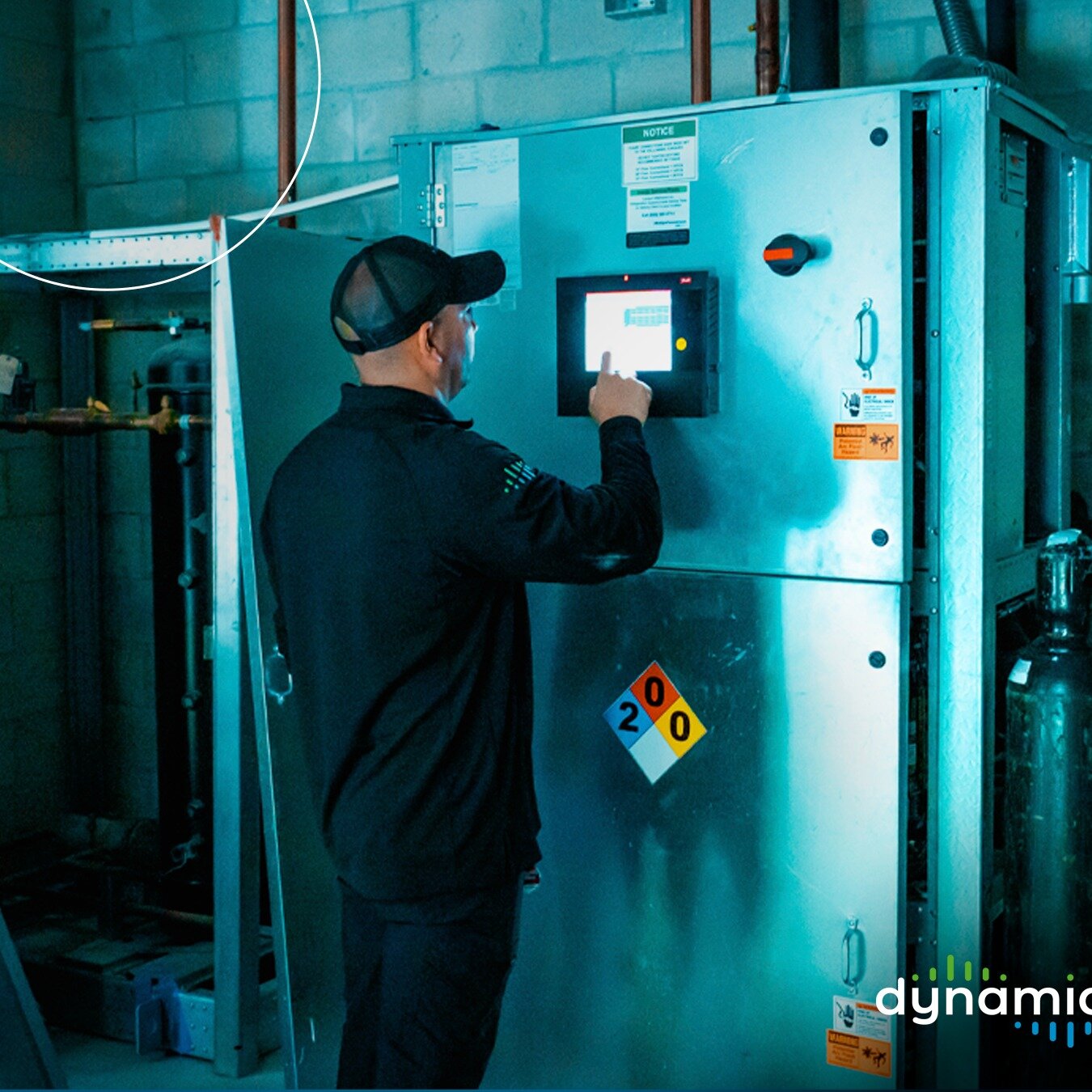
Conclusion: 24/7 Monitoring, The Solution to Refrigeration Problems
The major supermarket refrigeration problems are not accidental; they are the result of gradual deterioration that can be prevented.
The most cost-effective solution is predictive maintenance through remote monitoring systems. Investing in technology that detects small anomalies, out-of-range pressures, or inefficient defrost cycles is the best insurance policy against inventory loss and costly equipment failures.
Efficient and safe commercial refrigeration is not an expense—it is an essential investment in your business’s profitability and reputation!
Don’t Wait for an Emergency! Contact Us Today
Is your refrigeration system consuming more energy than usual or experiencing recurrent temperature problems? A system that doesn’t operate optimally puts your inventory at risk.
Our specialized team in commercial refrigeration maintenance is ready to audit your facility and implement 24/7 predictive monitoring systems. Prevent failure, don’t just repair the damage.